
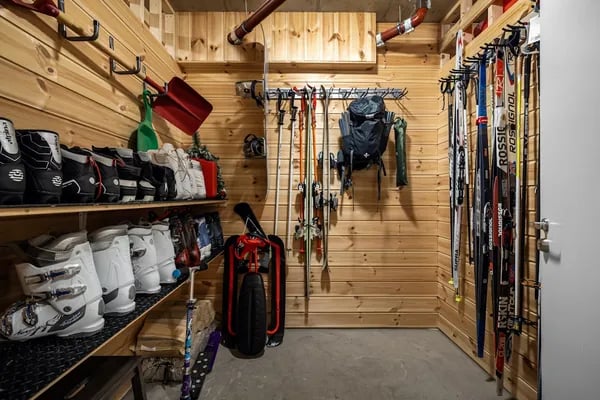



An organized garage begins with reliable storage solutions, and well-designed storage cabinets play a central role in creating a safer, more efficient workspace. Whether used for tools, seasonal equipment, automotive supplies, or household items, the right cabinets help reduce clutter while protecting valuable belongings from dust, moisture, and accidental damage. With a wide range of materials available—including steel, engineered wood, and modular wall-mounted systems—selecting the most suitable option requires understanding factors such as load capacity, durability, installation flexibility, and long-term maintenance needs. This guide explores the essential features that distinguish high-quality garage storage cabinets, explains how different construction materials perform under everyday use, and highlights practical considerations that support long-term organization. Rather than focusing solely on style or brand, it emphasizes functional design and lasting value, helping readers choose storage solutions that create a cleaner, more efficient garage environment suited to both compact spaces and larger workshops.
Overview: What 'Best Garage Storage Cabinet' Means to Me
When I say Best Garage Storage, I’m not talking about a fancy showroom setup. I mean a cabinet that helps me organize, protect, and store the real stuff that lives in a garage: tools, paint, car-care supplies, sports gear, and seasonal bins. The “best” cabinet is the one that makes my daily routine easier—so I can find a drill bit in seconds, not after digging through a pile of boxes.
To me, Garage Storage Cabinets matter because they solve three common garage problems at once: they reduce floor clutter, protect tools from dust and moisture, and improve safety by keeping sharp or hazardous items out of reach. Many models also offer secure locking, which is a big deal if you store expensive tools or chemicals. In heavy-duty Garage Cabinet System setups, some cabinets or shelves can handle up to 400 lb, which means I can store bulky items without worrying about sagging.
The main forms I look for
Freestanding cabinets for flexible placement
Wall Mounted Cabinets to clear floor space and simplify cleaning
Floor cabinets for heavier items and a stable base
Rolling cabinets for tools I want near my work area
Custom Garage Cabinets to maximize space in irregular or tight garages
In 2026, I upgraded a cramped 1-car garage by adding two wall-mounted cabinets and a rolling tool chest. That simple change turned a “storage cave” into a tidy workspace where I could park, work, and still reach everything. A quick win I recommend: add one lockable wall cabinet—this can free up roughly 6–10 ft² of floor footprint by moving clutter off the ground.
Mike Sullivan, Garage Systems Engineer: "A cabinet is only as useful as its layout — adjustable shelving and solid backing make the difference between a tidy garage and another pile of boxes."
This is the mental model I use: the best cabinet is the one that matches your space, your habits, and your Garage Organization goals—so your garage works like a tool, not a trap.
Key Features & Benefits (Checklist I Use Every Time)
When I compare the best garage storage cabinet options, I use the same checklist every time. It keeps me focused on real-life use: storing heavy paint cans, bulky toolboxes, and the “random” items that usually end up on the floor. These features also make it easier to add an affiliate link naturally (for example, Check latest price here or See customer reviews here) right after the feature that matters most to you.
1) Adjustable Shelving (no wasted space)
Adjustable Shelving is my first filter because garages rarely store “standard-sized” items. I look for shelves rated for heavy loads—some heavy-duty shelves support up to 400 lb. Practical tip: if you store 5+ gallon paint cans or big toolboxes, choose shelves with a clear weight rating. Check latest price here.
Sarah Thompson, Home Organization Specialist: "Adjustable shelving alone can make a cheap cabinet feel custom — it’s the quickest upgrade for real-world usability."
2) Full Extension Drawers (see everything, reach everything)
Full Extension Drawers beat partial extension every time because the drawer comes all the way out—no digging in the back like a “junk cave.” This is perfect for sockets, drill bits, and small hardware organizers. See customer reviews here.
3) Lockable Doors & locking drawers (safety + security)
Lockable Doors and locking drawers matter if you have kids at home or store chemicals, blades, or expensive power tools. It’s also a simple theft deterrent in a garage that’s opened often. Check latest price here.
4) Wall Mounting (cleaner floor, safer workspace)
Wall Mounting reclaims floor space so you can sweep, roll a shop vac, or park closer without bumping cabinets. Installation note: wall-mounted cabinets need studs or solid anchors—basic drywall anchors are not enough for heavy loads. See customer reviews here.
5) Shelf Stiffeners + Cabinet Backing (stops sagging)
Shelf Stiffeners and strong Cabinet Backing help prevent bowing when you load up liquids, fasteners, or car-care supplies. This is where material choice (like steel with a powder-coated finish) really shows its value.
6) Drawer Glides + Self Closing Hinges (smooth, quiet, longer life)
Quality Drawer Glides keep drawers moving smoothly under weight, and Self Closing Hinges reduce slams that loosen hardware over time. I treat this like good shoes: you notice the difference every single day. Check latest price here.
Materials & Construction: Pros, Cons, and When To Pick Each
When I compare Garage Cabinets Materials, I think about three real-life stress tests: a dropped wrench, a humid summer, and a shelf loaded with paint cans. Material choice decides whether your cabinet dents, swells, or stays solid. I also watch for a Powder Coated Finish and truly Rust Proof hardware if my garage isn’t insulated.
Steel Cabinets (industrial strength)
Steel Cabinets are my go-to for heavy tools and high-traffic garages. Many are powder-coated to fight rust and scratches, and some shelves are rated up to 400 lb.
Pros: high impact resistance, handles heat, long lifespan, great for freestanding tall units
Cons: heavier to move; tall units may need floor anchors for safety
See customer reviews here for powder-coated steel options.
Daniel Reed, Materials Engineer: "Powder-coated steel cabinets often strike the best balance of strength and weather resistance for residential garages."
Aluminum (lighter, corrosion-resistant)
Aluminum resists corrosion and is easier to lift, so I like it for wall-mounted systems where weight matters.
Pros: medium-high durability, lighter installs, good in humid areas
Cons: usually costs more; can flex more than steel under extreme loads
Check latest price here for wall-mounted aluminum sets.
Thermofused Melamine / Powder-Coated Wood (clean look, impact resistant)
Thermofused Melamine and powder-coated wood are surprisingly tough—great impact resistance without denting like metal. I pick these for a neat, budget-friendly workshop vibe.
Pros: attractive finish, easy to wipe clean, good value
Cons: can warp if edges get wet; avoid standing water in non-insulated garages
See customer reviews here for melamine garage systems.
Plastic / Resin (rust-proof and affordable)
Resin is the simplest Rust Proof choice—ideal for damp, coastal, or salt-air garages.
Pros: affordable, won’t rust, easy to hose off
Cons: medium durability; can bow if overloaded
Check latest price here for resin cabinets.
Custom Cabinetry (built around your space)
Custom builds shine when you have odd walls or want built-in tool racks, pull-out trays, and drawer sizes that match your gear. I choose custom when storage needs are specific, not generic.
Pros and Cons — Quick Reference (Bulleted for Busy People)
When I compare Garage Storage Cabinets, I look at three things: Space Utilization, how well they handle temperature fluctuations and humidity, and whether the build feels like it will survive heavy, everyday use.
Pros
Eliminates floor clutter by getting bins, paint, and power tools off the ground—great for faster cleaning and better safety. If you want a simple win, a wall-mounted set is worth a look (Check latest price here).
Secures tools and chemicals behind doors, which helps if you have kids, pets, or shared spaces. Lockable steel options are common (See customer reviews here).
Protects from dust and moisture better than open shelving, especially when doors seal well and materials are moisture resistant.
Custom cabinets maximize space utilization in awkward corners and around garage doors; many systems add pegboard storage, tool racks, and adjustable shelves for smarter tool storage (Check latest price here).
Strong shelf capacity on better builds—typically 100–400 lb per shelf depending on construction and mounting. This matters for compressors, jacks, and bulk hardware.
Laura Kim, Professional Organizer: "The single best upgrade is adjustable shelving — it’s cheap, fast, and instantly useful."
Cons
Higher upfront cost for steel, welded frames, or custom systems—often the price you pay for truly Durable Materials (See customer reviews here).
Installation can be tricky: wall-mounted units need solid studs/anchors, level rails, and careful spacing. Paying for professional install may add cost.
Poor material choice can fail: I replaced warped particle board cabinets with thermofused melamine to avoid future warping from temperature fluctuations.
Rust risk in damp garages: untreated steel can corrode; coastal homes should prioritize Rust Proof coatings or resin cabinets (Check latest price here).
Trade-offs (Fast Reality Check)
Rolling Cabinets add mobility for projects, but they use more floor space than wall-mounted units—mobility vs. space freed is the common trade.
My take: I’d spend extra on robust mounting and soft-close hardware; it costs a bit more but usually pays back in longevity and fewer repairs.
Best Use Cases & Who Should Buy Which Type
The best garage storage cabinet really depends on how you use your space day to day. I like to think of cabinets like “parking spots” for your stuff: the right spot makes everything faster, safer, and easier to put back.
Ethan Morales, Garage Install Specialist: “Match the cabinet type to daily habits — if you reach for a tool every day, choose full-extension drawers and a rolling chest.”
DIYers & hobbyists (fast access Tool Storage)
If you’re always grabbing a drill, bits, or sandpaper, Rolling Cabinets with full-extension drawers keep tools visible and within reach. I’d also look for drawer liners and smooth slides for frequent use. Check latest price here.
Families with kids (safety first)
For homes with children, I recommend cabinets with lockable doors and drawers plus sealed finishes that wipe clean. This helps keep paint, cleaners, and car chemicals safely out of reach. See customer reviews here.
Small garages or apartments (maximize floor space)
In tight spaces, Wall Mounted Cabinets and Overhead Racks are the biggest win because they lift clutter off the floor. Wall mounting can free about 6–10 ft² per cabinet. I recommended a wall-mounted set to my neighbor with a 1-car garage, and it finally made room to park a bike. Check latest price here.
Mechanics & serious hobbyists (heavy-duty + custom)
If you store heavy power tools or parts, choose steel cabinets with shelf stiffeners and ratings closer to 400 lb. For specialized setups, Custom Garage Cabinets with built-in racks, trays, and pegboard-style zones can match your workflow and odd tool shapes. They’re worth it when you have strange wall angles or want a built-in system. See customer reviews here.
Coastal or damp areas (rust resistance)
Humidity changes everything. I’d pick plastic/resin units or powder-coated steel with rust-proof finishes to avoid swelling, peeling, and corrosion. Check latest price here.
Budget-minded shoppers (best value look)
Thermofused melamine is a solid balance of cost and clean appearance for everyday garage organization. See customer reviews here.
When to avoid: tall freestanding cabinets in earthquake-prone zones unless you anchor them securely to studs.

How to Choose the Right One: My Practical Decision Checklist
1) Measure Twice (Wall Mounting + Door Clearance)
I start with five measurements: wall length, ceiling height, cabinet depth, obstructions (water heater, outlets, pipes), and door swing (garage door track, entry door). My real-world tip: leave 2–3 inches of clearance for doors and drawer pulls, especially with Wall Mounted Cabinets above a workbench.
If you’re installing tall units, I also check local guidance for anchoring—some areas treat it like basic safety code for tip-over prevention.
2) Define Load Needs (Adjustable Shelving)
I make an honest inventory first—then the cabinet choice gets obvious.
Priya Desai, Home Renovation Consultant: "Buying the right cabinet starts with an honest list of what you actually own — once you inventory tools, the choices become obvious."
List heavy items (air compressor, gas cans, toolboxes, paint cans) and estimate shelf weight. For bulky gear, Adjustable Shelving matters because you can set shelf spacing for tall jugs or stacked bins without wasting space.
3) Pick a Form Factor (Wall Mounted vs Rolling vs Freestanding)
Wall-mounted: frees floor space for parking and sweeping.
Rolling: best if you move tools to the driveway.
Freestanding: easiest mix-and-match layout.
Decision example: in a 1-car garage with bikes, I’d do Wall Mounted Cabinets up top plus a slim rolling cabinet for daily tools.
4) Material Match (Steel, Melamine, Resin)
Steel/powder-coated is my pick for heavy duty. Thermofused melamine looks clean for hobby spaces. Resin handles moisture well near damp walls.
5) Feature Checklist (Full Extension Drawers, Lockable Doors, Shelf Stiffeners)
Adjustable shelving
Full Extension Drawers (easy reach to the back)
Lockable Doors (kids/chemicals)
Quality drawer glides (soft-close is a bonus)
Shelf Stiffeners for bulky items
Strong cabinet backing for stiffness
6) Budget + Future-Proofing
I plan for upgrades like Shelf Stiffeners and soft-close hardware, and I factor shipping/assembly time—custom cabinets can take longer. When a model checks my list, I’ll usually “Check latest price here” and “See customer reviews here” before buying.
Installation & Customization: My Step-by-Step Notes
Planning (Wall Mounting starts on paper)
Before I drill anything, I map cabinet locations with painter’s tape, then mark stud lines and check for utilities behind the wall (outlets, plumbing, HVAC lines). This matters most for Wall Mounting, because one wrong hole can turn a clean install into a repair job. If I’m working near an electrical panel, I follow one safety rule: disconnect garage power first.
Anchoring for Heavy Items Support (don’t skip this)
For heavy wall cabinets, I use lag bolts into studs. For tall freestanding units, I add floor anchors so the cabinet can’t tip when drawers are loaded. I also pay attention to Cabinet Backing—thin backing can flex, so I prefer systems with reinforced backs or a mounting rail.
Ethan Morales, Garage Install Specialist: "Anchoring is the secret sauce — a beautifully finished cabinet is dangerous if it isn’t secured properly."
If you live near the ocean, I recommend corrosion-resistant fasteners to prevent rust over time.
Modular setup order (base first, then uppers)
Assemble and level base cabinets first.
Join bases together for a solid “platform.”
Stack or mount upper cabinets last for stability.
Leveling and alignment (laser level saves headaches)
When I’m joining multiple modules, I use a laser level so doors line up and gaps stay even. It’s like hanging kitchen cabinets—small errors multiply across a long wall.
Customization I actually use: Pull Out Trays & Tool Racks
Pull Out Trays for paint cans and hardware bins—less digging, better access.
Tool Racks inside doors for drills, drivers, and chargers.
Pegboard inserts for quick-grab hand tools.
Built-in power strips for charging batteries neatly.
These upgrades make Heavy Items Support feel safer because weight stays low and easy to reach.
Time, budget, and when I call a pro
DIY time is usually 1–4 hours for a small install, but custom systems can take a full day or multiple days. Pro installation often adds 10–30% to the project cost. I hire help for masonry walls or tight custom fitting around HVAC/electrical. If you need a reliable mounting kit or installer, See customer reviews here.
Maintenance & Care: Keep Cabinets Functional for Years
I treat my garage cabinets like a workbench: if I keep them clean and tuned, they stay smooth, quiet, and safe. Because garages face temperature swings, humidity, and heavy use, good care protects Durable Materials like powder-coated steel and thermofused melamine from warping, swelling, or early failure—and keeps Shelf Capacity reliable for bulky loads.
Monthly Cleaning for Impact Resistance
Once a month, I wipe powder-coated or melamine panels with mild soap and water, then dry them fully. This simple habit helps preserve Impact Resistance and prevents grime from acting like sandpaper on doors and drawer fronts. Avoid harsh solvents that can dull finishes.
Rust Proof Habits & Touch-Ups
Even “Rust Proof” cabinets can rust if the coating gets chipped. I touch up any nicks right away and never store wet hoses, snow shovels, or dripping tools directly on steel shelves. A rust-proof spray can help on exposed edges (Check latest price here).
Drawer Glides & Soft Close Hinges
Once per year, I lubricate drawer glides with silicone lubricant (Check latest price here). I also check Soft Close Hinges for loose screws or uneven closing—small adjustments prevent sagging doors and worn hardware.
Moisture Resistance in Humid Garages
For better Moisture Resistance, I use a small dehumidifier or desiccant packs near wood-based cabinets, especially in damp climates. If I store chemicals, I keep them upright in a locking cabinet to prevent spills and fumes.
Quick Repairs That Protect Shelf Capacity
Tighten loose fasteners during a quick visual check each month.
Replace damaged shelf stiffeners and keep heavy items low, near the cabinet base.
Re-glue delaminated edges early to stop spreading; use touch-up paint for small chips (Check latest price here).
Seasonal Checklist (Spring & Fall)
Inspect for rust after winter and for warping before colder weather returns.
Confirm doors align and drawers glide smoothly.
Re-check shelf brackets for load safety.
Laura Kim, Professional Organizer: "A little maintenance every year keeps a cabinet looking and working like new — it’s the single best investment after purchase."
Final Verdict & Recommendation — My Top Picks and Why
After comparing the most common Garage Storage Solutions, I’ve found the “best” cabinet really depends on how your garage lives day to day—like choosing the right shoes: work boots for heavy jobs, sneakers for everyday, and waterproof boots for wet weather. Below are my top picks for Best Garage Cabinets, mapped to real needs and backed by guidance commonly echoed by ClosetAmerica, GarageLiving, Gladiator GarageWorks, and Car and Driver.
Best for heavy-duty garages: Powder-coated steel cabinet system
If you store heavy tools, jacks, paint, or hardware bins, steel is my first choice. A Powder Coated Finish helps balance strength and weather resistance—great for residential garages that see temperature swings. Look for welded frames, reinforced shelves, and lockable doors. See customer reviews here.
Best budget pick: Thermofused melamine cabinet sets
For clean looks and smart organization on a tighter budget, thermofused melamine is hard to beat. Adjustable shelving makes it easy to switch from car-care bottles to power-tool cases without wasting space—solid Best Garage Storage value. Check latest price here.
Best for damp/coastal areas: Resin/plastic cabinets
If your garage is humid, near the ocean, or you frequently bring in wet gear, resin cabinets are the low-stress option. They’re rust-proof, easy to wipe down, and don’t need paint touch-ups. Check latest price here.
Best custom solution: Custom garage cabinets for specialty workflows
When you have specific tools (fishing gear, detailing kits, woodworking clamps), Custom Garage Cabinets can add built-in racks, labeled zones, and pull-out trays that keep everything visible and reachable. For masonry walls or complex layouts, I’d consider a local installer.
Daniel Reed, Materials Engineer: “A hybrid approach — steel where strength matters, melamine where looks matter — is the most practical solution for most homeowners.”
That’s also my personal verdict: I chose powder-coated steel uppers and thermofused melamine base cabinets to balance durability with appearance.
Upgrades that matter: adjustable shelves, full-extension drawers, and lockable doors.
Longevity tip: inspect yearly for chips or rust and touch up fast.
Next step: measure your space, pick your material, and follow the installation checklist in this guide.
FAQ — Common Questions About Best Garage Storage Cabinets
How much weight can a garage cabinet shelf hold?
It depends on the build and shelf design. Many Garage Storage Cabinets with Heavy Duty Construction can handle up to 400 lb per shelf, but lighter models may hold far less. I always check the product spec page for the exact shelf rating, how the weight is tested, and whether the rating changes when shelves are adjusted.
Priya Desai, Home Renovation Consultant: "Always double-check load ratings on the product page — the printed number is your contract with the cabinet."
Also look for adjustable shelving, since the best garage storage systems let you move shelves to fit heavy items like paint buckets, car jacks, or power tool cases.
Are steel cabinets prone to rust?
Untreated steel can rust, especially in humid garages or coastal areas. For a Rust Proof setup, I prefer powder-coated steel, stainless steel, or aluminum, and I avoid bare metal edges where moisture can start corrosion. Temperature swings and humidity are tough on finishes, so choose cabinets built for garage conditions. See customer reviews here.
Do I need custom cabinets?
Custom Garage Cabinets are worth it if your walls are uneven, you have tight corners, or you want storage designed around specific tools (like long-handled yard tools, chargers, or detailing bottles). Standard cabinets work well for most people, but custom can feel like a “tailored suit” when you want integrated racks, trays, and a clean, built-in look. Check latest price here.
Can I install wall cabinets myself?
Yes, many Wall Mounted Cabinets are DIY-friendly if you can find studs and use lag bolts. I measure twice, level carefully, and follow the manufacturer’s mounting template. For masonry walls, uneven block, or complex custom layouts, I recommend calling a local pro and confirming warranty requirements on the spec page. See installation kits here.
How do I protect cabinets in an uninsulated garage?
I focus on moisture control (a small dehumidifier or moisture absorbers), choose rust-resistant materials, and wipe cabinets down a few times a year. Keeping cabinets slightly off the floor and fixing water leaks fast also helps them survive humidity and temperature changes. See rust-proof options here.
