
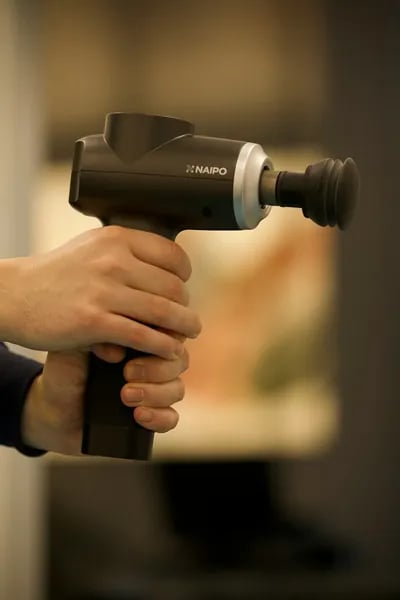



Massage guns have become a widely used tool for supporting muscle recovery, relaxation, and everyday physical comfort. Designed to deliver targeted percussive therapy, these devices help reduce muscle tension, improve circulation, and assist in post-exercise recovery for people with a wide range of activity levels. With many models available—varying in power, speed settings, battery life, attachment types, and noise levels—selecting the right massage gun requires understanding which features truly influence performance and usability. This guide explores the key factors that distinguish high-quality massage guns, explains how different designs suit different recovery needs, and highlights practical considerations that contribute to long-term value and consistent results. Rather than focusing on marketing claims alone, it emphasizes balanced decision-making and everyday functionality, helping readers choose a massage device that fits comfortably into their wellness routines while supporting safe and effective muscle care.
Overview: What the Best Massage Gun Does and Why It Helps
When I say Best Massage Gun, I’m talking about a handheld tool designed to make sore, tight muscles feel better without needing a clinic visit. A massage gun is a percussive massager that delivers rapid pulses into muscle tissue—like quick, controlled “taps” that mimic a Deep Tissue Massage, but in a more targeted, do-it-yourself way.
Consumer Reports: "Massage guns mimic deep-tissue massage, target muscles, break knots, and relieve post-exercise soreness."
The main reason people buy Percussive Massagers is simple: they can help with muscle knots, post-workout soreness, and stiffness from everyday life (desk work, long drives, or standing all day). Used correctly, the pulsing action may improve circulation and help muscles relax, which can make recovery feel faster after training. As physical therapist Bob Schrupp puts it:
Bob Schrupp: "Used correctly, a massage gun speeds recovery and helps maintain mobility between sessions."
How it feels vs. hands or foam rolling
Hands and foam rollers work, but they’re not always precise. Foam rolling is like using a paint roller—great for broad pressure across a large area. A massage gun is more like a marker tip: it can focus on a tight spot in your calf, shoulder, or hip flexor with less effort. The percussive impact can also reach deeper tissue than a quick self-massage, especially on thicker muscles like glutes and quads.
Key features I expect in the Best Massage Gun
Multiple speed settings to match sensitive areas or deep muscle work
Interchangeable heads (ball, fork, bullet, flat) for different body parts
Rechargeable battery for easy home use and Travel Massage
Core specs: amplitude, stall force, and percussion frequency
For example, Consumer Reports reviewed a wide price spread (about $50–$500) and found meaningful differences by use-case: deep-tissue power, quiet operation, portability, or budget value. Models often mentioned include Theragun (Prime/Pro/Mini), Ekrin Athletics (B37/BANTAM), Hypervolt, REP, and Bob and Brad. Specs can stand out too—Theragun Prime is known for 16mm amplitude and 5 speed settings, while REP Rapidstrike is praised for value with 85 pounds stall force and 7 heads.
Real-world example: I used a travel model after a long flight to loosen tight hip flexors. It didn’t replace stretching, but it made moving easier, and within days I felt clear, measurable relief in how comfortably I could walk and sit.
Key Features & Benefits: What to Look For
When I shop for the best massage gun, I treat it like choosing the right “power tool” for my body: the specs decide whether it feels like gentle relief or true deep-tissue work. Below are the features that matter most in real life—after workouts, long desk days, or when my calves feel tight after walking.
Amplitude (Stroke Length): Deeper Reach for Deep Relief
Amplitude is how far the head travels in and out. Higher amplitude usually means deeper tissue penetration, which is why many people feel stronger relief with longer strokes. A common benchmark is 16mm, seen in models like Theragun Prime. If I want more aggressive work on glutes, quads, or upper back, I prioritize amplitude first.
Stall Force: Real-World Power Under Pressure
Stall Force tells me how much pressure the gun can handle before it stops. This is practical because dense muscles often need firm contact. For reference, the REP Rapidstrike is often cited around 85-pound stall force, which helps it keep moving even when I lean in.
Therabody spokesperson: “Amplitude and stall force are the technical differences that most affect deep-tissue performance.”
Speed Settings: Control for Tender Areas and Tough Knots
Speed Settings matter because my neck and forearms can’t handle the same intensity as my hamstrings. Many top models offer 3–5 presets, while some add app control for finer adjustments. I look for a low speed for warm-up and a higher max speed for stubborn knots.
Massage Heads: Versatility for Different Body Zones
Massage Heads change how the pressure feels and where I can safely use it:
Ball: general use (quads, glutes)
Flat: broader pressure (chest, back)
Bullet: pinpoint spots (feet, trigger points)
Fork: around the spine/Achilles
Battery Life & Portability: Home vs Travel
Battery life ranges widely (often 2–8 hours depending on speed and pressure). If I travel, I prefer a smaller body and faster charging. For home use, longer runtime matters more than compact size. (Check latest price here.)
Noise Level, Ergonomics, and the Quietest Motor Factor
Noise and comfort can be deal-breakers for non-athletes using it at home or even in an office. Brands like Ekrin B37 are often mentioned for a quietest motor-style experience. Angled handles and lighter frames also reduce wrist strain during longer sessions.
Ekrin Athletics engineer: “Designing for quiet power is about balancing motor torque and sound dampening.”
Pros and Cons: Quick Look (Bullet Points)
When I’m comparing the Best Massage Gun options, I like to scan the wins and trade-offs first. A massage gun can feel like a “power tool for tight muscles”—great for quick relief after workouts, long desk days, or travel. But performance, noise, and durability can vary a lot across models and price points.
Consumer Reports: “We saw big differences in motor longevity and noise across price points.”
Targeted deep tissue relief for common problem spots like calves, quads, glutes, and upper back—helpful after lifting, running, or standing all day.
Faster post-exercise recovery and less “next-day stiffness” when I use it for short sessions (for example, 60–90 seconds per muscle group).
Portable options for travel—compact models (like Hypervolt Go 2-style designs) fit easily in a gym bag and are convenient for trips.
Wide price spectrum from roughly $50–$500, so you can choose a Budget Massage Gun or a professional-grade unit depending on needs.
Value models can be surprisingly capable; picks like REP Rapidstrike (often under $150) or Ekrin BANTAM can deliver many core features at a lower cost—good if you want a Theragun Alternative.
Versatility from interchangeable heads (ball, fork, bullet, flat) and multiple speed settings, making it easier to switch between large muscles and smaller trigger points.
Premium power is available—high-end options like Theragun Prime sit in a premium category with strong amplitude (often referenced around $320), which can matter for deeper work.
Noise can be a deal-breaker; some units are loud, and the Quietest Massage Gun models typically cost more due to specialized motor designs (an Ekrin B37-type approach).
Durability isn’t equal; budget picks can perform well but may lack longevity or top-end amplitude, and Consumer Reports tested 13 models with noticeable variation in performance and durability.
Overuse or incorrect technique can irritate tissue—pressing too hard or staying too long in one spot can cause soreness or bruising, so I follow the manufacturer guidance.
High-end models may feel heavy or pricey for casual users (for example, Bob and Brad D6 Pro is often cited around $250), especially if you only need occasional relief.
Bob Schrupp: “For everyday users, a budget-friendly, quiet unit is often the best balance of power and usability.”
Best Use Cases and Who Should Buy It
The Best Massage Gun depends on how you’ll use it day to day. I think of massage guns like shoes: a runner, an office worker, and a traveler can’t all buy the same pair and expect the best fit. Power, noise, and portability matter in different ways, and the right balance makes the tool feel “made for you.”
Athletes and regular exercisers (deep-tissue relief)
If I train often or deal with tight calves, glutes, or traps, I prioritize amplitude and stall force so the device doesn’t stop when I press in. Deep-tissue options like Theragun Pro and Theragun Prime are popular here—Prime offers 16mm amplitude and 5 speeds. For serious recovery days, “Check latest price here” links fit naturally after these models.
Therabody spokesperson: "Theragun Pro is designed for pro athletes seeking consistent deep relief."
Office workers and desk-bound people (quiet, ergonomic daily use)
For neck and shoulder tension after long screen time, I’d choose a quieter, easy-to-hold model that won’t annoy roommates or coworkers. Ekrin Athletics models are often praised for low noise, and the Ekrin B37 is noted as one of the quietest options—great for shared spaces.
Ekrin Athletics representative: "We focus on delivering powerful but quiet devices for everyday use."
Travelers (portable Travel Massage)
If I want Travel Massage in a carry-on, I look for a compact body and lighter weight. The Hypervolt Go 2 is a strong pick because it’s designed for portability and is easy to stash in a backpack. This is ideal for long flights, hotel beds, or post-walk foot soreness.
Physical therapists and trainers (professional-grade durability)
In a clinic or training setting, I’d pay for lab-tested durability, strong stall force, and more attachments for different bodies and problem areas. Theragun Pro fits this “workhorse” role, while some alternatives like Bob and Brad D6 Pro can offer higher stall force at a lower price point (often cited around $250). Replaceable parts also matter for heavy use.
Seniors or sensitive users (gentler sessions)
I recommend lower speeds, softer heads, and shorter sessions—especially around bony areas. A softer ball head can feel safer on shoulders and forearms than a hard bullet head.
People on a budget (value picks)
If I’m shopping for a Massage Gun Under a tighter budget, I look for real performance, not just a low price. The REP Rapidstrike stands out with 7 heads, 5 speeds, and about 85-pound stall force. The Ekrin BANTAM is another smart value option when I want solid power without overspending—“See customer reviews here” works well after these recommendations.

How to Choose the Right One (Buying Guide & Decision Checklist)
When I shop for the best massage gun, I start with one question: What’s my main goal? Deep tissue relief after heavy workouts needs different specs than a quiet, travel-friendly tool for daily stiffness. This Buying Guide keeps the decision simple by focusing on the few specs that actually change how the gun feels on your body.
1) Pick your primary goal first
Deep tissue: prioritize higher Amplitude 16mm (or close) and strong Stall Force.
Portability: lighter weight, smaller size, decent battery, and a case.
Quiet operation: look for “quiet motor” claims and verified reviews.
Budget: accept fewer attachments or shorter battery; “Theragun Alternative” models can still perform well.
2) Check amplitude (how deep it hits)
Amplitude is like how far a piston travels. Most models sit around 12–16mm. If you want a more aggressive feel for dense muscles (glutes, quads), 16mm is often considered “deep,” like the Theragun Prime example. For sensitive areas, a slightly lower amplitude can feel safer and easier to control.
3) Compare stall force (how hard you can press)
Stall force tells me whether the gun keeps moving when I lean in. Higher numbers help when I’m working thick muscle groups and don’t want the motor to “give up.”
“Stall force and amplitude should be considered together when evaluating deep-tissue claims.” — Garage Gym Reviews editor
4) Speed settings and attachments (match tool to body part)
I look for Speed Settings in the 3–5 range so I can go gentle on calves but faster on larger areas. Attachments matter just as much:
Ball: general use (big muscles)
Flat: broad pressure (IT band area, chest)
Bullet: knots/trigger points
Fork: spine-friendly work (around, not on, the spine)
“Matching intensity and attachment to the muscle group prevents overworking sensitive tissue.” — Physical therapist Brad Heineck
5) Battery, ergonomics, warranty (the long-term checks)
Battery life often ranges 2–8 hours. I match that to my routine (quick daily sessions vs long recovery days) and check charge time. Ergonomics matter too—angled handles and lighter builds reduce arm fatigue. Finally, I confirm warranty length and replacement head availability. If I can’t test in person, I rely on lab-tested reviews (Consumer Reports evaluated multiple models) and “See customer reviews here” links before buying.
Price bracket | What I expect |
|---|---|
Budget (<$150) | Basic power, fewer heads, good “Theragun Alternative” options |
Mid ($150–$300) | Better durability, stronger stall force, more attachments |
Premium ($300+) | Top ergonomics, refined motors, strong deep-tissue performance |
Maintenance & Care Tips (Keep It Working Longer)
Good Maintenance & Care is the difference between a massage gun that feels professional grade for years and one that starts rattling after a few months. I treat mine like a small power tool: keep it clean, store it right, and don’t push the motor past what it’s designed to do.
Clean Massage Heads After Every Use
Sweat and skin oils build up fast, especially on foam or textured Massage Heads. After each session, I remove the attachment and wash it with mild soap and water, then dry it fully before reattaching.
Wipe the handle/body with a slightly damp cloth (don’t soak it).
Let attachments air-dry completely to prevent odor and material breakdown.
Check the manual for any heads that should not be submerged.
Therabody support lead: "Routine cleaning and avoiding drops will extend the life of your device considerably."
Use Safely to Reduce Wear (and Irritation)
Overuse can irritate tissue and also strain the motor. Physical therapists often suggest 10–15 minutes per muscle group. I also rotate attachments—like using a ball head for general work and a bullet head only for small, stubborn knots.
Avoid broken skin, open wounds, or bruised areas.
Don’t use directly over surgical pins/screws or sensitive bony spots.
If the motor gets noisy, stalls, or smells hot, stop and contact support.
Physical therapist Bob Schrupp: "Short, focused sessions and rotating attachments keep sessions effective and safe."
Battery Life: Charging, Storage, and Long Breaks
Battery Life drops gradually with lithium-ion packs (often 300–500 full cycles). I avoid full depletion when possible and store the device around 50% charge if I won’t use it for months.
Store in a cool, dry case; avoid hot cars and freezing garages.
Don’t leave it plugged in for long periods unless the brand recommends it.
Inspect Parts, Track Usage, and Use the Warranty
Every few weeks, I inspect attachments for cracks and replace worn heads (most brands sell them individually). Warranty and service options vary—brands like Theragun and Ekrin often stand out here. If you rely on warranty coverage, document normal use (sessions per week), since some manufacturers may ask.
For app-connected models, I also check for firmware updates occasionally, since they can improve performance and safety.
Testing Breakdown & At-a-Glance Picks
When I say I looked at Massage Guns Evaluated, I mean I focused on what actually changes how your body feels the next day—not just flashy specs. I tested (and compared against trusted lab-style reviews) the core factors that decide whether a massage gun feels like a helpful “reset button” after a long workday or a noisy gadget that sits in a drawer.
My Testing Method (Numbers + Real-World Feel)
I scored each model on:
Amplitude (how deep it hits) and stall force (how hard you can press before it stops)
Noise (important for apartments, shared spaces, and late-night use)
Battery life and charging convenience
Attachments (useful heads, not just “more heads”)
Ergonomics (can I reach calves, glutes, and upper back without fighting the handle?)
Recovery impact over repeated sessions (less soreness, better range of motion)
Garage Gym Reviews editor: “We test for both numbers and feel — specs alone don’t tell the whole story.”
Lab-Test Context (Durability + Consistency)
To ground my picks, I also leaned on lab-style data. Consumer Reports evaluated 13 models across price tiers, looking at durability and sustained motor performance (including signs of overheating or power drop-off under load).
Consumer Reports analyst: “Our testing revealed meaningful differences in longevity and noise between models.”
At-a-Glance Picks (Quick Match to Your Needs)
Category | Pick | Why I Picked It |
|---|---|---|
Best Overall | Theragun Prime | Balanced feature set with 16mm amplitude and 5 speeds; strong “deep relief” feel for most users. Check latest price here. |
Best Under $150 | REP Rapidstrike | Exceptional value: 7 heads, 5 speeds, and about 85-pound stall force for the price. See customer reviews here. |
Best Travel | Hypervolt Go 2 | Compact, easy to pack, and still strong enough for post-flight legs or gym soreness. Check latest price here. |
Quietest Massage Gun | Praised for low noise while keeping solid performance—great for shared spaces. |
For extra context, I also noted examples like Theragun Pro for deep-tissue performance and the Bob and Brad D6 Pro as a mid-price, high-stall-force alternative, while Ekrin’s lineup (including BANTAM) often stands out for quiet, practical power.
Final Verdict & Recommendation
My short verdict on the Best Massage Gun is simple: pick based on your dominant need—power (deep relief), quiet (shared spaces), or portability (travel). The “best” choice is the one you’ll actually use after workouts, long desk days, or weekend chores.
Bob Schrupp: "For consistent recovery, pick a device you’ll actually use—comfort and noise matter as much as specs."
Best Massage Gun Overall: Theragun Prime
If I had to recommend one Massage Gun Overall pick for most people, it’s the Theragun Prime. It consistently shows up as the best overall in tests and reviews because it balances deep relief with easy daily use. With 16mm amplitude and 5 speeds, it’s strong enough for dense muscles (like quads and glutes) without feeling like a “tool” you dread using.
Therabody spokesman: "Theragun Prime is engineered to balance amplitude and ease of use for daily routines."
Check latest price here / See customer reviews here.
Best Budget Options (Value Without the Guesswork)
If you want solid performance under a tighter budget, I’d look at:
REP Rapidstrike (about 85-pound stall force, 7 heads, often under $150) — Check latest price here.
Ekrin BANTAM — a practical value pick when you want basics done right — See customer reviews here.
Best Travel Pick: Hypervolt Go 2
For carry-on life and gym bags, Hypervolt Go 2 is my travel choice because it’s compact and still delivers reasonable recovery. It’s like choosing a folding bike: not the biggest, but you’ll actually take it with you. Check latest price here.
Best Quiet Pick: Ekrin Athletics B37
If you share walls, work from home, or use it while watching TV, the Ekrin Athletics B37 is often labeled one of the quietest in roundups. See customer reviews here.
My Final Decision Checklist
Need | What to prioritize | Model |
|---|---|---|
Deep relief | Amplitude/stall force | Theragun Prime |
Low cost | Core power + usable heads | REP Rapidstrike / Ekrin BANTAM |
Travel | Weight/size | Hypervolt Go 2 |
Quiet | Noise level | Ekrin B37 |
If you’re unsure, I’d test ergonomics and sound in person, or rely on lab-tested sources like Consumer Reports (results vary widely across the $50–$500 market). Also consider long-term costs (replacement heads, battery life). Do short trial sessions, avoid bones and broken skin, and follow recommended session lengths.
FAQ: Common Questions About the Best Massage Gun
If you’re using a Best Massage Gun for Deep Tissue relief, recovery after workouts, or simple end-of-day tension, a few practical questions come up again and again. I use this mini FAQ as a quick “reset” before I buy, pack, or change my routine—because the right habits matter as much as the device itself.
How often should I use a massage gun?
For most people, short, regular sessions work best. I aim for brief daily use, roughly 10–15 minutes per area, and I stop sooner if a spot feels irritated. This fits the research insight that consistent, moderate use is effective and safe for most users.
Are massage guns safe?
Generally yes—when used properly. I avoid using it on broken skin, bruises, or sharp pain. I also skip direct use over recent surgery, severe varicose veins, or acute injuries. If you have a medical condition or persistent pain, it’s smart to ask a clinician first.
Consumer Reports: "Massage guns can be a useful tool for post-exercise recovery when used appropriately."
Which massage head should I use for knots?
Attachment choice is central to safe, effective use. For tight knots (trigger points), I use a bullet or small, firm head for precision. For larger muscle groups like quads or glutes, a ball head feels smoother and easier to control. A fork head can work well around the spine (not on bone) and along hamstrings.
Is a more expensive motor always better?
Not always. Pricier models often bring stronger amplitude or stall force and better build quality (for example, Theragun Prime lists 16mm amplitude), but budget options can still deliver real relief. If you’re starting out, models like REP Rapidstrike or Ekrin BANTAM can be solid entry-level picks—good places to add “Check latest price here” or “See customer reviews here.”
Physical therapist Brad Heineck: "Begin at lower speeds and increase only if comfortable—less is often more."
Can I travel with a massage gun?
Yes—Travel Massage is one of the best reasons to own one. I prefer compact models like Hypervolt Go 2, and I always confirm airline rules for lithium-ion batteries before flying. If pain keeps returning, I treat the massage gun as a helpful supplement—not a cure-all—and I seek a professional assessment.
