
I still remember the instant I smelled smoke and wild honey in the mountain air — it hooked me. I set out from Kathmandu with a jittery excitement and a list of questions: What makes 'mad honey' buzz through legend and market alike? How do the Gurung honey hunters risk their lives for it? Over days of bumpy roads, homestays and cliff-side rituals I watched, tasted, and learned. This post is my attempt to stitch those moments into a guide that feels honest, a little ragged at the edges — like the ropes the hunters use.
Brainstorm: Why this expedition mattered to me
I didn’t join Mad Honey Hunting in Nepal just to “do something wild.” I joined because three strange hooks kept pulling at me: psychoactive honey, a cliff-hanging harvest, and the Gurung rituals that hold it all together. I wanted to see how those pieces fit in real life, not just in short videos.
My personal stakes: a long curiosity, then an overnight yes
I had been reading about “mad honey” for years, but it stayed in the category of mountain myth. Then I learned that Medicinal Madahani runs these trips seasonally—April–May and November–December. That detail made it feel real and time-bound, like a door that opens only a few months a year. I made the decision fast, almost overnight, and framed it as Adventure Travel Nepal with a purpose, not just a thrill.
The road to the base: where the questions started
From Kathmandu, I expected rough roads and vehicle changes, and that’s exactly what the plan suggested: a microbus, a small team, and about six hours of driving to Besi—roughly 200 km away. Long road travel felt like part of the test: if I couldn’t handle the ride, I had no business asking about cliffs and hives.
Some moments hit me before the expedition even began: bamboo smoke in the air, a simple river-lunch by the Trishuli, and then that first distant view of cliff walls where hives looked like dark dots.
Questions I jotted down en route
How safe is the harvest for the climbers and the visitors?
Is the honey collected in a sustainable way, or is tourism pushing it?
What is a fair price, and who earns most of it?
How much can tourists truly experience on a Cultural Immersion Tour?
Angles I kept returning to
Biology (why the honey becomes psychoactive)
Ritual (what the Gurung community does before harvest)
Economy (seasonal income and local control)
Tourism (access, limits, and respect)
Ethical harvesting (what should never be photographed or touched)
A small tangent stayed in my head too: the honey’s effect reminded me of old folk tales about mountain potions—like an ancient shaman tasting it first, not for fun, but to “listen” to the mountain.
“It was a breathtaking honey-gathering expedition.”
What is Mad Honey? Science and effects
What is Mad Honey, really?
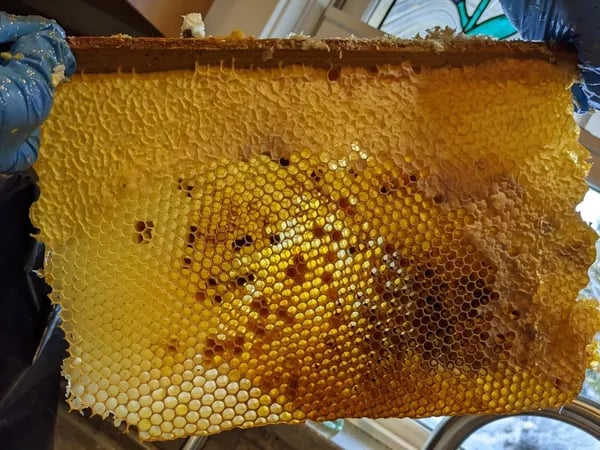
What is Mad Honey in simple terms? It’s not regular honey. In Nepal’s remote mountain areas, giant cliff hives produce a rare honey made from nectar—mainly rhododendron flowers—that contains a natural toxin called grayanotoxin. The Gurung hunters told me this is why locals call it “mad” or “crazy” honey, and why even a small taste can feel like a drug.
The science behind the buzz: grayanotoxin
Grayanotoxin is the active compound that creates the honey’s Psychoactive Effects Honey is famous for. It affects the body’s nerve signals and can drop blood pressure and slow the heart rate. One hunter said plainly, “This mad honey contains grayanotoxins that can cause hallucinations.” That sounded dramatic—until I tried it.
My first spoonful: dizzy, warm, and a little scary
I took a small spoonful, expecting something like strong herbal honey. Within minutes my head felt light and floaty, like a warm wave moving upward. Then the room started to tilt. I remember thinking, why does my balance feel off? I also felt a mild nausea, the kind that makes you want to sit very still. I kept hearing the warning: more than about 1.5 tablespoons can risk losing consciousness. In that moment, I understood the quote:
“I was scared of how much honey I had eaten.”
Who makes it: the world’s largest honeybee
This honey is harvested from Apis laboriosa, often called the giant honeybee. They build massive hives on steep cliffs, which is why the hunt is so dangerous—and why the honey carries serious market value.
Medicinal Properties Honey: tradition vs. safety
Locals in Nepal and parts of China have used mad honey for centuries for pain, blood pressure, and sexual potency. These Medicinal Properties Honey claims are part of its fame, and its price reflects that—often 30,000–35,000 NPR per kg in Nepal.
Possible effects: euphoria, dizziness, sweating, nausea, low blood pressure, and sometimes hallucinations
Safety rule for tourists: start tiny, never “stack” doses, and don’t mix with alcohol or heart/blood-pressure meds
Gurung Honey Hunters: people, ritual, and identity
Gurung Community roots in the cliffs
In the deep mountain valleys of Nepal, the Gurung Community has lived for generations close to the wild cliffs where giant bees build their hives. The Gurung Honey Hunters I met spoke about mad honey as something inherited, not “discovered.” It is work passed down through families, and it still shapes how people see themselves in places like Lamjung and the Annapurna foothills. For many households, the harvest is a main source of income, but it is also part of religion and social identity—something you do with elders, rules, and responsibility, not just for adventure.
Spiritual Rituals Honey: offerings before the rope drops
Before anyone climbs, the mood changes. The hunt begins with Spiritual Rituals Honey practices meant to ask permission and protection from the forest and mountain deities. I watched preparations that were quiet and serious, not staged for visitors. A domesticated rooster may be offered, and small items are placed with care.
Rooster offering to forest and mountain deities
Milk poured at the base of trees
Incense, plus rice, flowers, tea leaves as simple gifts
“They believe the mountain and forest deities protect them.”
Local leadership and safety on the expedition
I stayed in Shashi Kandel’s village, using it as a base to understand how planning actually works. Shashi’s father, Sushil Kandel, keeps contact with local honey hunters and helps decide the location and timing, which matters for both safety and respect for the bees’ cycle. He told me:
“I have been involved with mad honey hunting for eight years.” — Sushil Kandel
Our wider trip was also shaped by people working beyond the cliff: Reshmik Kandel and Pragya Mahara, who founded the Medicinal Madahani company, helped connect the expedition to local networks without pushing the hunt into a show.
Traditional Homestay Experience and etiquette
In villages like Bakhande in Lamjung, homestays gave me a window into daily life—farm fruits, shared meals, and steady hospitality. As a traveler, the basic rule is simple: observe, don’t interrupt. Stay quiet during rites, ask before filming, and treat the ritual space as sacred, not content.
The route: logistics, roads, and the small surprises
Early start from Kathmandu (Honey Hunting Tour Nepal)
I spent the night in Kathmandu at the Kanti Pur Village hotel, a simple three-star place that felt clean and calm. My room was tidy, and I could see a wide city view right from the window. Breakfast was complimentary, so I ate a light plate, packed fast, and walked out to find our taxi already waiting.
One long push to the base: ~200 km, ~6 hours
The first leg of this Honey Hunting Tour Nepal was a long drive—about 200 km to the area where the Annapurna-side routes begin, and it took roughly six hours on the microbus. From there, the plan was clear: swap vehicles and go deeper. We would leave the main road behind, take another ride, and then move into a 4x4 for the rough tracks that lead toward the honey collectors.
Electric microbus reality: charging is part of the schedule
Our microbus was electric, which was quiet and smooth on good sections. But it also meant we had to plan around charging.
“Our microbus was electric; charging took about one to one and a half hours.”
That stop didn’t feel like wasted time—it was a built-in pause to stretch, use the toilet, and reset before the next rough patch.
Road rhythm: tar, dust, and sudden jolts (Adventure Tourism Nepal)
The road itself kept changing. One moment it was clean blacktop, the next it turned into dry, dusty track with sharp bumps.
“The drive felt like a cycle of tar, then dust — very Nepal.”
This is the real texture of Adventure Tourism Nepal: comfort and jolt, back and forth, all day.
Small breaks: “20 Kilo” coffee and a Trishuli River lunch
We stopped briefly at a place locals call “20 Kilo” for tea/coffee, then later took a longer break for a riverside thali lunch near the Trishuli River. The water and hills made it feel like a scenic checkpoint, not just a meal stop.
What to expect in Remote Gurung Villages
Once the 4WD section begins, amenities drop fast. In the Remote Gurung Villages, there are no modern hotels near the honey-hunting cliffs—expect a Traditional Homestay Experience, basic toilets, limited power, and simple food.
Pack for bumps: motion sickness meds, dry snacks, and a water bottle.
Pack for nights: headlamp, power bank, and warm layer.

Harvesting technique: ladders, smoke, and cliff-side skill
Bamboo Rope Ladders on a Steep Cliffs Harvest
The first time I looked over the edge, my head went light and unsteady, like my body understood the risk before my mind did. This is a Steep Cliffs Harvest in the most literal way: near-vertical rock, wind, and a drop that does not forgive mistakes. The Gurung hunters work with tools that look simple—handmade Bamboo Rope Ladders, long poles, and woven baskets—but the method is anything but simple.
“They risk life and limb swinging a thousand feet on bamboo ropes.”
The ladder is lowered from above and held tight by men braced on the ridge. Below, others prepare the landing area and baskets. Safety feels improvised—knots, grip strength, and trust—yet it is also rooted in skill passed down across generations. One wrong step, one loose hand, and the cliff decides the outcome.
Smoke, strikes, and the Giant Honeybee Apis
The bees here are Apis laboriosa, the Giant Honeybee Apis of the Himalaya. They are enormous, protective, and they build combs that can reach about 2 meters wide. The honey comes from mountain flowers, especially rhododendron, and it carries grayanotoxin—the “mad honey” that can make a person dizzy.
Smoke is essential. Hunters burn dried bamboo leaves so the smoke rises into the hive face. Then the climber moves in a practiced rhythm: smoke, steady climbing, careful strikes. With a pole, he hits the comb’s edge until it loosens, then the heavy sheet detaches and slides down toward the waiting baskets.
Choreographed danger and clustered hives
What surprised me most was how many hives can hang in one place.
“There are spots where 30–35 hives hang together.”
That density raises both risk and reward. The team divides roles with quiet precision:
Climbers smoke and strike the comb.
Catchers guide falling comb into baskets.
Carriers move honey and wax away fast, before the bees regroup.
Before the climb, they call on local deities, not as a show, but as part of the courage required to step onto bamboo ropes and face a living wall of bees.
Diagram suggestion: [Cliff top] --(rope anchor)-- [Bamboo ladder] || [Hive face] -> [Basket team below]
Tourism, commerce and Medicinal Madahani
This is not ordinary honey. In Nepal it is famous as Medicinal Mad Honey, and even a small amount can bring a strange, intoxicating feeling. That mix of risk, rarity, and tradition is exactly why tourism and trade now sit beside the old hunt.
Honey Hunting Tours with a local support system
I joined one of the Honey Hunting Tours arranged by Medicinal Madahani, a Nepali organization that helps visitors witness the harvest in a safer, more organized way. Their team didn’t just “book a trip.” They brought guides, a support crew, and coordinated directly with local Gurung hunters so the day on the cliff did not turn into chaos.
They run expeditions during the main harvest windows—April, May, and November–December. In season, the schedule can be busy.
“Medicinal Madahani brings foreign groups weekly in the season.”
Commerce: why the hunt continues
The market value makes the danger easier to understand. In Nepal, mad honey can sell for 30,000–35,000 NPR per kilogram. That price reflects how hard it is to collect and how strong demand is, especially from buyers who want it for “medicine” or status.
Medicinal Madahani also helps sell the collected honey beyond the village.
“We sell the collected honey online to reach a wider market.”
For Gurung communities, this mix of guided trips and sales can be a real income stream, and it creates more regulated access than random visitors showing up unannounced.
A Gurung Cultural Experience, not just a spectacle
What stayed with me most was the Gurung Cultural Experience around the hunt: homestays, watching preparation rituals, and listening to elders explain why certain cliffs and seasons matter. At one site, I was told there were roughly 30–35 hives spread across the rock face—enough to feel the scale without forgetting the limits of nature.
Ethics: preservation vs. commercialization
Pros: paid local labor, clearer safety roles, and incentives to protect the practice.
Cons: pressure to “perform,” crowding, and the risk of turning something sacred into entertainment.
For me, responsible tour design—small groups, local decision-making, and fair payment—felt like the line between support and exploitation.
Safety, ethics and conservation
Practical safety: Honey Hunting Skills and steep cliffs
Mad honey hunting is not a stunt. The Steep Cliffs Harvest demands real Honey Hunting Skills, rope work, and calm decision-making. I never try to harvest without Gurung guides, because one wrong step on a wet ledge can turn serious fast. For remote days, I carry travel insurance, a basic first-aid kit, and I keep my phone on airplane mode to save battery.
Stay behind the working line and follow the lead climber’s signals.
Wear a helmet and closed shoes; avoid loose scarves near ropes.
Do not touch hives or smoke tools unless invited and trained.
Psychoactive Effects Honey: dosing, symptoms, and my reminder
The biggest tourist risk is tasting too much. The Gurung warning was simple and strict:
“Eat carefully — more than one and a half spoons can make you faint.”
I learned why. After a small taste, I felt lightheaded and my hands went a bit cold. It passed, but it made me stop and listen. The Psychoactive Effects Honey come from grayanotoxins, and reactions vary by person and batch. I treat 1.5 tablespoons as a hard limit, and I avoid mixing it with alcohol.
Mad honey can affect blood pressure and heart rhythm. If you have heart disease, low blood pressure, or take related medicine, consult a doctor before you travel. If someone feels faint, confused, or has a very slow pulse, we rest, hydrate, and seek medical help.
Ancient Tradition Honey: ritual respect and ethical tourism
This is Ancient Tradition Honey, practiced for over 2,000 years in some communities. Before the hunt, offerings are made:
“We honor the mountain gods before going to harvest.”
Ethically, I choose local-led tours, pay fair wages, and refuse any exploitative spectacle that pushes hunters to take risks for photos.
Conservation: quotas, seasons, and responsible buying
Overharvest and heavy hive disturbance can weaken colonies and future income. Traditional hunts are usually twice yearly (spring and autumn), which helps respect seasonal cycles. Local companies can bridge demand and care by setting sustainable harvesting quotas and community benefit-sharing. For souvenirs, I buy only from recognized local suppliers (for example, Medicinal Madahani) and avoid “too-cheap” bottles with unclear sourcing.
Practical guide: what I packed and why
I started this Adventure Travel Nepal route in Kathmandu at a simple three-star hotel with a clean room, city view, and complimentary breakfast—then quickly learned the comfort ends once you leave the city. On a Honey Hunting Tour Nepal, roads get rough, amenities are sparse, and there are no modern hotels near the hunting cliffs, so packing well matters.
Essentials for hills, homestays, and long drives
“Pack layers — mornings in Kathmandu and nights in the hills are very different.”
Layered clothes: light base layer, warm mid-layer, and a wind/rain shell.
Good hiking shoes: grippy soles for steep village paths and dusty tracks.
Warm sleeping gear: a compact sleeping bag liner and thick socks for a Traditional Homestay Experience.
Basic first-aid: bandages, antiseptic, blister care, and rehydration salts.
Motion-sickness pills: I felt my head “wobble” on the bends, so I kept these in my daypack.
Gadgets: power matters more than cameras
I carried a phone, a small camera, and two power banks. Charging stops can follow the electric microbus rhythm, and it may not sync with your filming or navigation needs. A headlamp helped during early starts and dim homestay rooms.
Cash planning (NPR) for remote villages
“Bring cash; villages are remote and card machines aren’t common.”
I budgeted in Nepali rupees for meals, tips, and honey. Mad honey can cost 30,000–35,000 NPR/kg, so even a small souvenir needs planning. I kept small notes for drivers and hosts.
Etiquette, timing, and food expectations
I packed modest clothing (covered shoulders/knees) and always asked before photographing people or rituals. For timing, I aimed for April–May (or Nov–Dec) to match harvest season and better weather—seasonal timing is vital if you want to actually witness the climb.
Food was simple and filling: riverside thalis on the road and home-cooked meals where hosts often offered fruit. I still carried nuts and biscuits for the ~6-hour push to base and the off-road stretches.
Booking help that simplified logistics
Local guides and companies made permits, transport, and cultural access easier. I noted these contacts: Medicinal Madahani, Shashi Kandel, Sushil Kandel.
Wild card: imagine a world shaped by mad honey
What if Mad Honey Hunting didn’t just feed villages, but mapped the old world? I picture traders choosing paths not by the easiest pass, but by the cliffs where the bees nested. A trail becomes a promise: a stop for salt, a stop for grain, and a stop for a small jar that could calm pain, spark stories, or knock a man flat if he got greedy. In that imagined past, mad honey isn’t only a product—it’s cultural currency, traded with respect, measured with care, and guarded by ritual.
Ancient Art Honey Hunt, or catching lightning in a jar
Watching the Gurung hunters, the Ancient Art Honey Hunt felt like trying to catch lightning in a jar. One part prayer, one part craft, and one part Adrenaline Pumping Adventure. The cliff face turns into a stage where every move matters, and the air itself feels sharp. I kept hearing the line in my head: “They risk life and limb swinging a thousand feet on bamboo ropes.” It’s not a slogan. It’s the simplest truth.
If I could bottle one feeling
If I could bottle one feeling from this trip, it wouldn’t be the buzz. It would be humility before nature. The hive is not a souvenir. The rope is not a toy. And the honey is not a dare. The warnings are real: around 1.5 tablespoons can be a dangerous dose, with a fear of losing awareness if you take more than your body can handle.
FAQ sidebar
Question | Answer |
|---|---|
Can tourists taste it? | Yes—in small amounts, ideally with a guide. |
Can tourists harvest? | No—prefer observation over hands-on harvesting. |
Can tourists join expeditions? | Yes, on seasonal trips. |
What’s the price? | About 30–35k NPR/kg. |
Later, when the buzz wore off, my mind drifted to something plain: that river-lunch fish, hot and simple, the kind of food that brings you back to earth. And I remembered a hunter’s quiet pride, which I’ll borrow as a closing prayer:
“A thousand feet above, we take only what the cliff allows.”
